
 © 2026 JSH Law Ltd. All rights reserved.
https://jshlaw.co.uk/wp-content/uploads/2026/02/ChatGPT-Image-Feb-3-2026-03_26_42-AM.png
1024
1536
Jessica Susan Hill
https://jshlaw.co.uk/wp-content/uploads/2026/01/jsh-law-logo-new-black-300x67.png
Jessica Susan Hill2026-02-18 18:34:592026-10-03 23:17:32Child Impact Analysis in Family Court: How to Present Harm Properly
 https://jshlaw.co.uk/wp-content/uploads/2026/01/ChatGPT-Image-Jan-16-2026-09_27_44-PM.png
1024
1536
Jessica Susan Hill
https://jshlaw.co.uk/wp-content/uploads/2026/01/jsh-law-logo-new-black-300x67.png
Jessica Susan Hill2026-01-16 21:29:282026-10-12 11:54:49Safeguarding and Local Authority Involvement in Family Court: What It Means and How to Navigate the Process as a Litigant in Person
 jsh law ltd
https://jshlaw.co.uk/wp-content/uploads/2026/01/Gemini_Generated_Image_7skug67skug67sku.png
1024
1024
Jessica Susan Hill
https://jshlaw.co.uk/wp-content/uploads/2026/01/jsh-law-logo-new-black-300x67.png
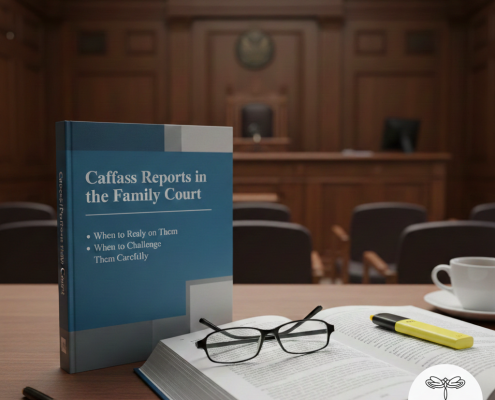
Jessica Susan Hill2026-01-15 20:12:052026-10-12 14:36:02Cafcass Reports in the Family Court: When to Rely on Them — and When to Challenge Them Carefully