
Family Court Navigation & Case Strategy
When your family court case has become difficult to see clearly
Practical case analysis and procedural support to help litigants in person understand where their case is, what matters now and what needs to happen next.
Family proceedings can become complicated very quickly. One application leads to another hearing, several orders accumulate, Cafcass becomes involved, deadlines overlap and years of history start competing with the issue the court actually needs to decide.
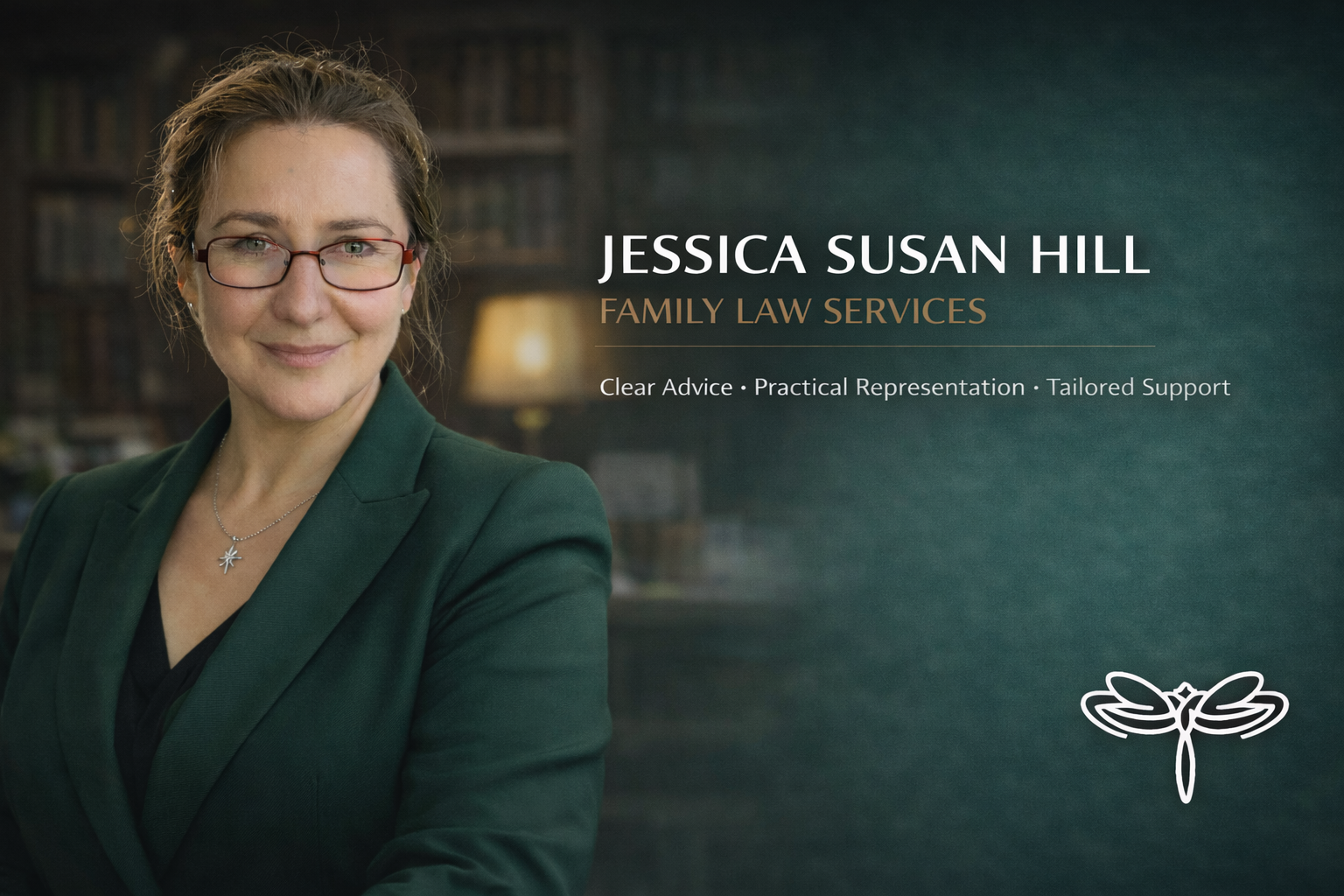
Your case may feel chaotic. The court still needs a structure.
When you are living through proceedings, every event can feel equally important. But the court is usually dealing with a narrower question at a particular procedural stage. Understanding that difference is one of the most useful things a litigant in person can do.
JSH Law can help you step out of the volume of material and identify the shape of the case: the orders already made, applications before the court, evidence available, issues still disputed, directions outstanding, deadlines approaching and the purpose of the next hearing.
The aim is not to take control of your proceedings. It is to help you understand them well enough to make more informed decisions about what needs your attention.
See the case as a system
A useful case map connects the history to what the court needs now
The precise structure differs from case to case, but these are the pieces I am usually trying to connect when reviewing proceedings.
Orders
What has already been decided or directed?
Applications
What is formally before the court?
Issues
What remains genuinely disputed?
Evidence
What supports, contradicts or contextualises those issues?
Professionals
What has Cafcass or another professional said?
Directions
What must happen before the next stage?
Hearing
What is the next hearing actually for?
Outcome sought
What are you asking the court to consider doing?
When case navigation is useful
You may not need another application. You may first need to understand the one you already have.
This type of support can be particularly useful where:

Case analysis
What I am looking for when I review a family court case
The first task is usually not deciding who is right. It is understanding the procedural and evidential position accurately enough to identify what matters next.
- The current order: what does it actually say?
- The procedural history: how did the case reach this point?
- The live applications: what is currently before the court?
- The live issues: what still requires judicial determination?
- The evidence: what supports the important factual propositions?
- Safeguarding: are there welfare or domestic-abuse issues that affect how the case must be approached?
- Directions and deadlines: what has the court required and by when?
- The next hearing: what is it intended to achieve?
- Proportionality: what genuinely needs doing now — and what may not?
Common family court forms
A form is part of a procedural decision — not just an administrative exercise
JSH Law can provide practical support preparing agreed family-court forms and the material that sits behind them. Which form is appropriate depends on the proceedings and what you are asking the court to consider.
C100
Applications concerning child arrangements, prohibited steps or specific issues.
C2
Applications within existing children proceedings, depending on the procedural context.
C79
Applications concerning alleged failure to comply with a child arrangements order.
C1A
Information about allegations of harm and domestic abuse in relevant children proceedings.
Form preparation remains connected to the facts and procedural posture of the case. JSH Law can help you organise and draft material for you to review, but you remain responsible for checking factual accuracy, signing where required and filing or serving documents unless a particular lawful task has expressly been agreed.
Reduce procedural overload
Being overwhelmed can make every issue feel urgent
Family proceedings can be emotionally and cognitively demanding, particularly where there is domestic abuse, post-separation conflict, safeguarding concern or prolonged litigation. That can make prioritisation difficult.
What matters now?
Identify the issue the court is presently dealing with rather than trying to resolve the whole history in every document or hearing.
What needs evidence?
Separate important factual propositions from assertion, background and matters that are already established.
What can wait?
Not every concern needs to become a new application, email or immediate response. Proportionality is part of effective case management.
Client experience
What people say about working with JSH Law
The aim of navigation support is clarity: understanding where the case sits, what the court expects and what deserves your attention.
I felt completely lost in the process before speaking with Jessica. She helped me understand where my case sat procedurally and what the court was actually expecting next. That clarity made a huge difference.
Sophie
Jessica broke the process down in a way that finally made sense. I stopped panicking about every letter from the court and was able to focus on what mattered at each stage.
Mark
The support wasn’t about telling me what to do, but helping me understand my options and the risks. I felt calmer and more prepared going into each hearing.
Helen
Having someone explain the procedure and help me organise my case gave me confidence as a litigant in person. I finally felt like I was engaging with the process properly.
Daniel
Prefer to understand the process first?
Use the free JSH Law resources
Paid support is not the only route. JSH Law also publishes practical guidance for litigants in person trying to understand procedure and prepare more effectively.
Family Court Procedure
Guides on applications, hearing types, court process, directions and procedural developments.
Explore procedure guidance →Court Skills for Litigants in Person
Practical help with documents, advocacy preparation, evidence, bundles and court readiness.
Explore court skills →Matters I Can Help With
Find support by the problem you are facing rather than by the name of a legal service.
Browse family court matters →Explore JSH Law services
Once you understand the case, you may need a different kind of support
The four JSH Law service pillars are designed to connect, so you can move to the part of the case that now needs attention.
Family Court Navigation & Case Analysis
Understand where the proceedings have reached, what matters now and what needs doing next.
Current serviceSafeguarding, Cafcass & Professional Reports
Deal with safeguarding concerns, disputed allegations and professional material.
Explore →Court Documents, Statements & Submissions
Turn the relevant facts, evidence and issues into clear written material.
Explore →Hearing Support & McKenzie Friend Services
Prepare for court and receive practical support around the hearing itself.
Explore →Clear service boundaries
You remain responsible for your proceedings
JSH Law provides non-reserved legal services, litigation support and McKenzie Friend assistance. JSH Law is not an SRA-authorised solicitors' firm.
JSH Law can help with
- reviewing the procedural history;
- understanding court orders and directions;
- case mapping and chronology work;
- legal and procedural research;
- preparing agreed court forms and documents;
- identifying evidential or procedural issues;
- hearing preparation; and
- other agreed non-reserved legal work.
You remain responsible for
- making decisions about your case;
- checking factual accuracy;
- signing documents where required;
- filing and serving documents unless a particular lawful task has expressly been agreed;
- complying with court orders and deadlines; and
- conducting your own proceedings as the litigant in person.
Sending papers to JSH Law does not itself transfer responsibility for a deadline, hearing or procedural step. Any task, deadline and scope of work must be expressly agreed.
Focused support
You do not need to instruct JSH Law for your whole case
Navigation and case-analysis work can be used for a single focused task, such as reviewing recent orders and identifying the current procedural position, or as part of a larger agreed block of work.
Where a defined task can be scoped clearly in advance, a fixed fee may also be quoted before you commit.
The amount of work required depends particularly on the age of the case, number of orders, volume of evidence and whether several applications or safeguarding issues overlap.
View Full PricingNot sure what needs doing next?
Start with a 15-minute consultation
You do not need to understand the procedure before contacting JSH Law. Tell me what proceedings are ongoing, what happened most recently and what is worrying or confusing you now.
A clear first step
Request your consultation
You do not need to upload your entire court file before the call.
Give me a short outline of the proceedings, the date of your next hearing if one is listed, the most recent court order and the main issue you need help understanding. If documents are needed after that, I can identify what is relevant.
Please note: JSH Law provides non-reserved legal services, litigation support and McKenzie Friend assistance. It is not an SRA-authorised solicitors' firm and does not provide regulated solicitor representation or conduct litigation on your behalf.
Choose a convenient time
If you have an approaching hearing or court deadline, include the exact date in the booking notes.
Your enquiry will be handled in accordance with the JSH Law Privacy Policy .
JSH Law
You do not need to solve the whole case today. You need to understand the next important step.
If the proceedings have become difficult to follow, JSH Law can help you organise the history, understand the current position and identify what needs attention now.
Please see the Pricing, Terms of Service, Privacy Policy, Disclaimer, Complaints Procedure and Safeguarding Statement.
Paid client work is governed by the applicable JSH Law Client Agreement and Terms of Business and any matter-specific Task Confirmation.