
Posts
 © 2026 JSH Law Ltd. All rights reserved.
https://jshlaw.co.uk/wp-content/uploads/2026/02/ChatGPT-Image-Feb-3-2026-03_26_42-AM.png
1024
1536
Jessica Susan Hill
https://jshlaw.co.uk/wp-content/uploads/2026/01/jsh-law-logo-new-black-300x67.png
Jessica Susan Hill2026-05-07 14:45:042026-10-12 11:51:55Non-Fatal Strangulation: Why Family Courts Must Treat It as a Lethal Risk Warning© 2026 JSH Law Ltd. All rights reserved.
https://jshlaw.co.uk/wp-content/uploads/2026/02/ChatGPT-Image-Feb-3-2026-03_26_42-AM.png
1024
1536
Jessica Susan Hill
https://jshlaw.co.uk/wp-content/uploads/2026/01/jsh-law-logo-new-black-300x67.png
Jessica Susan Hill2026-05-07 13:53:212026-10-10 13:18:28Victims and Courts Act 2026: A Step Forward for Survivors, Children and Family Court Safety© 2026 JSH Law Ltd. All rights reserved.
https://jshlaw.co.uk/wp-content/uploads/2026/02/ChatGPT-Image-Feb-3-2026-03_26_42-AM.png
1024
1536
Jessica Susan Hill
https://jshlaw.co.uk/wp-content/uploads/2026/01/jsh-law-logo-new-black-300x67.png
Jessica Susan Hill2026-05-07 09:24:102026-10-12 11:52:00Ontario’s Integrated Domestic Violence Court: Why the UK Should Be Watching© 2026 JSH Law Ltd. All rights reserved.
https://jshlaw.co.uk/wp-content/uploads/2026/02/ChatGPT-Image-Feb-3-2026-03_26_42-AM.png
1024
1536
Jessica Susan Hill
https://jshlaw.co.uk/wp-content/uploads/2026/01/jsh-law-logo-new-black-300x67.png
Jessica Susan Hill2026-05-07 08:36:442026-10-10 13:17:41When Abuse Doesn’t End: Coercive Control and the Family Court© 2026 JSH Law Ltd. All rights reserved.
https://jshlaw.co.uk/wp-content/uploads/2026/02/ChatGPT-Image-Feb-3-2026-03_26_42-AM.png
1024
1536
Jessica Susan Hill
https://jshlaw.co.uk/wp-content/uploads/2026/01/jsh-law-logo-new-black-300x67.png
Jessica Susan Hill2026-04-03 15:22:462026-10-10 13:14:39McKenzie Friends in Family Court: What the 2010 Practice Guidance Really Means
 JSH LAW LTD
https://jshlaw.co.uk/wp-content/uploads/2026/01/ChatGPT-Image-Jan-15-2026-03_07_16-PM.png
1024
1024
Jessica Susan Hill
https://jshlaw.co.uk/wp-content/uploads/2026/01/jsh-law-logo-new-black-300x67.png
Jessica Susan Hill2026-01-15 15:08:582026-10-12 14:36:40Parental Alienation and Contact Breakdown
 JSH Law Ltd
https://jshlaw.co.uk/wp-content/uploads/2026/01/ChatGPT-Image-Jan-8-2026-02_32_57-PM.png
1024
1536
Jessica Susan Hill
https://jshlaw.co.uk/wp-content/uploads/2026/01/jsh-law-logo-new-black-300x67.png
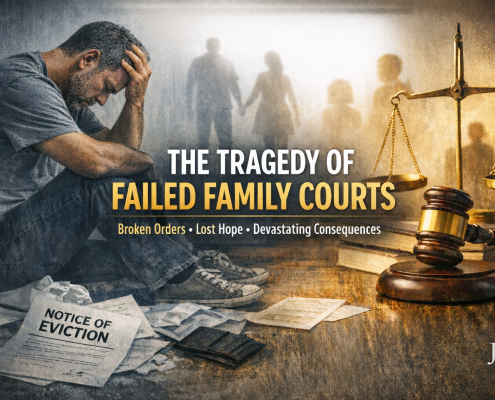
Jessica Susan Hill2026-01-08 14:40:012026-10-12 11:54:41When the System Wears a Parent Down: A Preventable Tragedy in the Family Courts