
Posts
 © 2026 JSH Law Ltd. All rights reserved.
https://jshlaw.co.uk/wp-content/uploads/2026/02/ChatGPT-Image-Feb-3-2026-03_26_42-AM.png
1024
1536
Jessica Susan Hill
https://jshlaw.co.uk/wp-content/uploads/2026/01/jsh-law-logo-new-black-300x67.png
Jessica Susan Hill2026-04-03 15:37:242026-10-10 13:14:35McKenzie Friend vs Running Your Case: Where the Legal Line Now Sits After Mazur
 https://jshlaw.co.uk/wp-content/uploads/2026/02/ChatGPT-Image-Feb-3-2026-04_07_33-AM.png
1024
1536
Jessica Susan Hill
https://jshlaw.co.uk/wp-content/uploads/2026/01/jsh-law-logo-new-black-300x67.png
Jessica Susan Hill2026-02-06 12:03:572026-02-06 12:03:59Access to Justice Will Not Improve Until Litigants in Person Are Treated as First-Class Legal Tech Users
 https://jshlaw.co.uk/wp-content/uploads/2026/01/remote-freelance-family-court-support.png
1024
1536
Jessica Susan Hill
https://jshlaw.co.uk/wp-content/uploads/2026/01/jsh-law-logo-new-black-300x67.png
Jessica Susan Hill2026-01-27 01:17:272026-02-25 14:02:08Freelance Family Court Support | Remote | Hourly
Portfolio Items
 © 2026 JSH Law Ltd. All rights reserved.
https://jshlaw.co.uk/wp-content/uploads/2026/01/13-understanding-cafcass-recommendations-watermarked.png
1024
1536
Jessica Susan Hill
https://jshlaw.co.uk/wp-content/uploads/2026/01/jsh-law-logo-new-black-300x67.png
Jessica Susan Hill2026-01-21 17:05:402026-09-23 16:09:2313. Understanding Cafcass recommendations
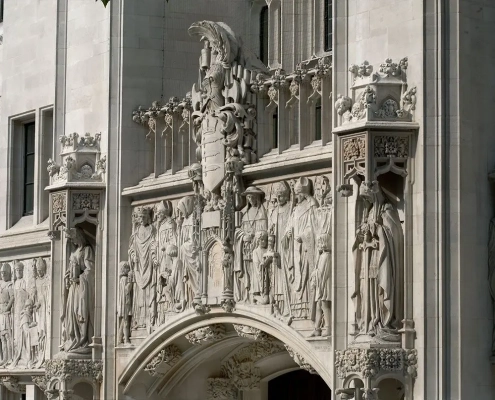 https://jshlaw.co.uk/wp-content/uploads/2011/12/uk-supreme-court.webp
807
1232
Jessica Susan Hill
https://jshlaw.co.uk/wp-content/uploads/2026/01/jsh-law-logo-new-black-300x67.png
Jessica Susan Hill2026-01-21 17:05:232026-09-23 16:34:5816. Managing professional concerns raised mid-proceedings
https://jshlaw.co.uk/wp-content/uploads/2011/12/uk-supreme-court.webp
807
1232
Jessica Susan Hill
https://jshlaw.co.uk/wp-content/uploads/2026/01/jsh-law-logo-new-black-300x67.png
Jessica Susan Hill2026-01-21 17:05:172026-09-23 16:40:3417. Disputed safeguarding narratives
https://jshlaw.co.uk/wp-content/uploads/2011/12/uk-supreme-court.webp
807
1232
Jessica Susan Hill
https://jshlaw.co.uk/wp-content/uploads/2026/01/jsh-law-logo-new-black-300x67.png
Jessica Susan Hill2026-01-21 17:04:572026-09-24 10:42:5620. Preparing for directions hearings
https://jshlaw.co.uk/wp-content/uploads/2011/12/uk-supreme-court.webp
807
1232
Jessica Susan Hill
https://jshlaw.co.uk/wp-content/uploads/2026/01/jsh-law-logo-new-black-300x67.png
Jessica Susan Hill2026-01-21 17:04:332026-09-24 12:18:2624. Managing adjournments and delays
https://jshlaw.co.uk/wp-content/uploads/2011/12/uk-supreme-court.webp
807
1232
Jessica Susan Hill
https://jshlaw.co.uk/wp-content/uploads/2026/01/jsh-law-logo-new-black-300x67.png
Jessica Susan Hill2026-01-21 17:04:202026-09-24 12:33:5926. In-court support as a McKenzie Friend (subject to permission)
 https://jshlaw.co.uk/wp-content/uploads/2026/10/two-people-reviewing-and-annotating-documents-at-a-desk-with-a-laptop-and.png
1024
1536
Jessica Susan Hill
https://jshlaw.co.uk/wp-content/uploads/2026/01/jsh-law-logo-new-black-300x67.png
Jessica Susan Hill2026-01-21 17:03:472026-10-16 20:37:5732. Preparing court-compliant bundles