
Portfolio Items
 © 2026 JSH Law Ltd. All rights reserved.
https://jshlaw.co.uk/wp-content/uploads/2026/01/03-variation-of-child-arrangements-orders-watermarked.png
1024
1536
Jessica Susan Hill
https://jshlaw.co.uk/wp-content/uploads/2026/01/jsh-law-logo-new-black-300x67.png
Jessica Susan Hill2026-01-21 17:03:272026-10-16 20:46:063. Variation of child arrangements orders
 © 2026 JSH Law Ltd. All rights reserved.
https://jshlaw.co.uk/wp-content/uploads/2026/01/06-holiday-contact-and-travel-disputes-watermarked.png
1024
1536
Jessica Susan Hill
https://jshlaw.co.uk/wp-content/uploads/2026/01/jsh-law-logo-new-black-300x67.png
Jessica Susan Hill2026-01-21 17:03:102026-09-22 12:56:146. Holiday contact and travel disputes
 © 2026 JSH Law Ltd. All rights reserved.
https://jshlaw.co.uk/wp-content/uploads/2026/01/09-older-children-wishes-and-feelings-watermarked.png
1024
1536
Jessica Susan Hill
https://jshlaw.co.uk/wp-content/uploads/2026/01/jsh-law-logo-new-black-300x67.png
Jessica Susan Hill2026-01-21 17:02:542026-09-23 10:38:249. Disputes involving older children / wishes and feelings
 © 2026 JSH Law Ltd. All rights reserved.
https://jshlaw.co.uk/wp-content/uploads/2026/01/11-safeguarding-allegations-and-responses-watermarked.png
1024
1536
Jessica Susan Hill
https://jshlaw.co.uk/wp-content/uploads/2026/01/jsh-law-logo-new-black-300x67.png
Jessica Susan Hill2026-01-21 17:02:412026-09-23 14:33:4011. Safeguarding allegations and responses
 https://jshlaw.co.uk/wp-content/uploads/2026/10/two-people-review-documents-at-a-table-beside-a-laptop-displaying-a-diagram.png
1024
1536
Jessica Susan Hill
https://jshlaw.co.uk/wp-content/uploads/2026/01/jsh-law-logo-new-black-300x67.png
Jessica Susan Hill2026-01-21 17:02:032026-10-20 11:08:4436. Understanding appeal routes and thresholds
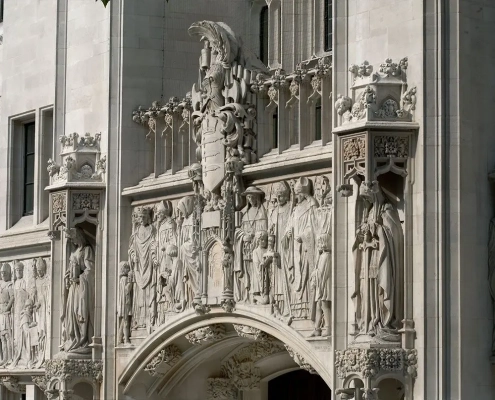 https://jshlaw.co.uk/wp-content/uploads/2011/12/uk-supreme-court.webp
807
1232
Jessica Susan Hill
https://jshlaw.co.uk/wp-content/uploads/2026/01/jsh-law-logo-new-black-300x67.png
Jessica Susan Hill2026-01-21 17:01:502026-01-21 17:01:5038. Transcript management and review
https://jshlaw.co.uk/wp-content/uploads/2011/12/uk-supreme-court.webp
807
1232
Jessica Susan Hill
https://jshlaw.co.uk/wp-content/uploads/2026/01/jsh-law-logo-new-black-300x67.png
Jessica Susan Hill2026-01-21 17:01:442026-01-21 17:01:4439. Time-limit issues and extensions
https://jshlaw.co.uk/wp-content/uploads/2011/12/uk-supreme-court.webp
807
1232
Jessica Susan Hill
https://jshlaw.co.uk/wp-content/uploads/2026/01/jsh-law-logo-new-black-300x67.png
Jessica Susan Hill2026-01-21 17:01:262026-01-21 17:01:2642. High-conflict co-parenting situations
https://jshlaw.co.uk/wp-content/uploads/2011/12/uk-supreme-court.webp
807
1232
Jessica Susan Hill
https://jshlaw.co.uk/wp-content/uploads/2026/01/jsh-law-logo-new-black-300x67.png
Jessica Susan Hill2026-01-21 17:01:032026-01-21 17:01:0346. Parallel proceedings and overlapping issues
https://jshlaw.co.uk/wp-content/uploads/2011/12/uk-supreme-court.webp
807
1232
Jessica Susan Hill
https://jshlaw.co.uk/wp-content/uploads/2026/01/jsh-law-logo-new-black-300x67.png
Jessica Susan Hill2026-01-21 17:00:512026-01-21 22:54:4048. Making or responding to applications (C100, C2, etc.)