
Posts
 https://jshlaw.co.uk/wp-content/uploads/2026/01/remote-freelance-family-court-support.png
1024
1536
Jessica Susan Hill
https://jshlaw.co.uk/wp-content/uploads/2026/01/jsh-law-logo-new-black-300x67.png
Jessica Susan Hill2026-01-27 01:17:272026-02-25 14:02:08Freelance Family Court Support | Remote | Hourly
 https://jshlaw.co.uk/wp-content/uploads/2026/01/When-Home-Education-Becomes-a-Criminal-Prosecution.png
1024
1536
Jessica Susan Hill
https://jshlaw.co.uk/wp-content/uploads/2026/01/jsh-law-logo-new-black-300x67.png
Jessica Susan Hill2026-01-26 17:13:492026-02-03 03:34:28When Home Education Becomes a Criminal Prosecution
Portfolio Items
 © 2026 JSH Law Ltd. All rights reserved.
https://jshlaw.co.uk/wp-content/uploads/2026/01/13-understanding-cafcass-recommendations-watermarked.png
1024
1536
Jessica Susan Hill
https://jshlaw.co.uk/wp-content/uploads/2026/01/jsh-law-logo-new-black-300x67.png
Jessica Susan Hill2026-01-21 17:05:402026-09-23 16:09:2313. Understanding Cafcass recommendations
 © 2026 JSH Law Ltd. All rights reserved.
https://jshlaw.co.uk/wp-content/uploads/2026/01/responding-to-safeguarding-letters.png
1024
1536
Jessica Susan Hill
https://jshlaw.co.uk/wp-content/uploads/2026/01/jsh-law-logo-new-black-300x67.png
Jessica Susan Hill2026-01-21 17:05:342026-09-23 16:17:1214. Responding to safeguarding letters
 © 2026 JSH Law Ltd. All rights reserved.
https://jshlaw.co.uk/wp-content/uploads/2026/01/15-preparing-for-cafcass-interviews-watermarked.png
1024
1536
Jessica Susan Hill
https://jshlaw.co.uk/wp-content/uploads/2026/01/jsh-law-logo-new-black-300x67.png
Jessica Susan Hill2026-01-21 17:05:282026-09-23 16:24:1615. Preparing for Cafcass interviews
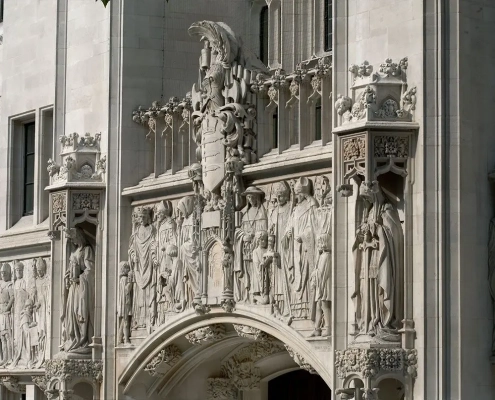 https://jshlaw.co.uk/wp-content/uploads/2011/12/uk-supreme-court.webp
807
1232
Jessica Susan Hill
https://jshlaw.co.uk/wp-content/uploads/2026/01/jsh-law-logo-new-black-300x67.png
Jessica Susan Hill2026-01-21 17:05:232026-09-23 16:34:5816. Managing professional concerns raised mid-proceedings
https://jshlaw.co.uk/wp-content/uploads/2011/12/uk-supreme-court.webp
807
1232
Jessica Susan Hill
https://jshlaw.co.uk/wp-content/uploads/2026/01/jsh-law-logo-new-black-300x67.png
Jessica Susan Hill2026-01-21 17:05:172026-09-23 16:40:3417. Disputed safeguarding narratives
https://jshlaw.co.uk/wp-content/uploads/2011/12/uk-supreme-court.webp
807
1232
Jessica Susan Hill
https://jshlaw.co.uk/wp-content/uploads/2026/01/jsh-law-logo-new-black-300x67.png
Jessica Susan Hill2026-01-21 17:05:082026-09-24 10:08:2418. Threshold-related concerns (private law context)
https://jshlaw.co.uk/wp-content/uploads/2011/12/uk-supreme-court.webp
807
1232
Jessica Susan Hill
https://jshlaw.co.uk/wp-content/uploads/2026/01/jsh-law-logo-new-black-300x67.png
Jessica Susan Hill2026-01-21 17:05:022026-09-24 10:35:4419. Preparing for first hearings (FHDRA)
https://jshlaw.co.uk/wp-content/uploads/2011/12/uk-supreme-court.webp
807
1232
Jessica Susan Hill
https://jshlaw.co.uk/wp-content/uploads/2026/01/jsh-law-logo-new-black-300x67.png
Jessica Susan Hill2026-01-21 17:04:572026-09-24 10:42:5620. Preparing for directions hearings