
Three Awards in One Week: Celebrating Resolute, Deborah Jones and the Case for Domestic Abuse Training
JSH Law · Community recognition · Domestic abuse & safeguarding · 20 November 2026
One extraordinary week. Three honours. Years of determination behind them.
This is a moment to celebrate. Resolute Women’s Support Services in Barnsley has received both national and local awards, and its founder Deborah Jones has been recognised personally for her courage and dedication to making change. JSH Law sends its warmest congratulations to Deborah, the volunteers, trustees, team and supporters who have made this possible.
Three honours in one week
1. The King’s Award for Voluntary Service 2026
Resolute Women’s Support Services is named under South Yorkshire in the official 2026 list for the King’s Award for Voluntary Service. This is a major national honour for outstanding voluntary work in the community, often likened in standing to an MBE for voluntary groups.
It is an acknowledgement of people who give time, expertise and sustained care in circumstances where much of their most important work must remain confidential. A volunteer may be the person who listens without judgement, notices that something is wrong or helps a woman find specialist support without forcing her to repeat her experience again and again.
JSH Law reported on the national honour on 16 November 2026. That alone deserved a celebration. But the week was not finished.
2. The Mayor of Barnsley’s Award — Proud of Barnsley Awards 2026
In her public announcement, Deborah said Resolute had received the Mayor of Barnsley’s Award at the Proud of Barnsley Awards. The award brings the recognition home: to the town where the charity began and where its volunteers, partners and practitioners support women dealing with the consequences of abuse. Our earlier article about the Barnsley award explores that community achievement.
We distinguish the evidence: the King’s Award is verified against the official national register; the mayoral award is reported from Deborah’s own contemporaneous public account. Both deserve recognition, without overstating what an award certifies about any particular service.
3. The Inspiring Individual Award 2026 — Deborah Jones
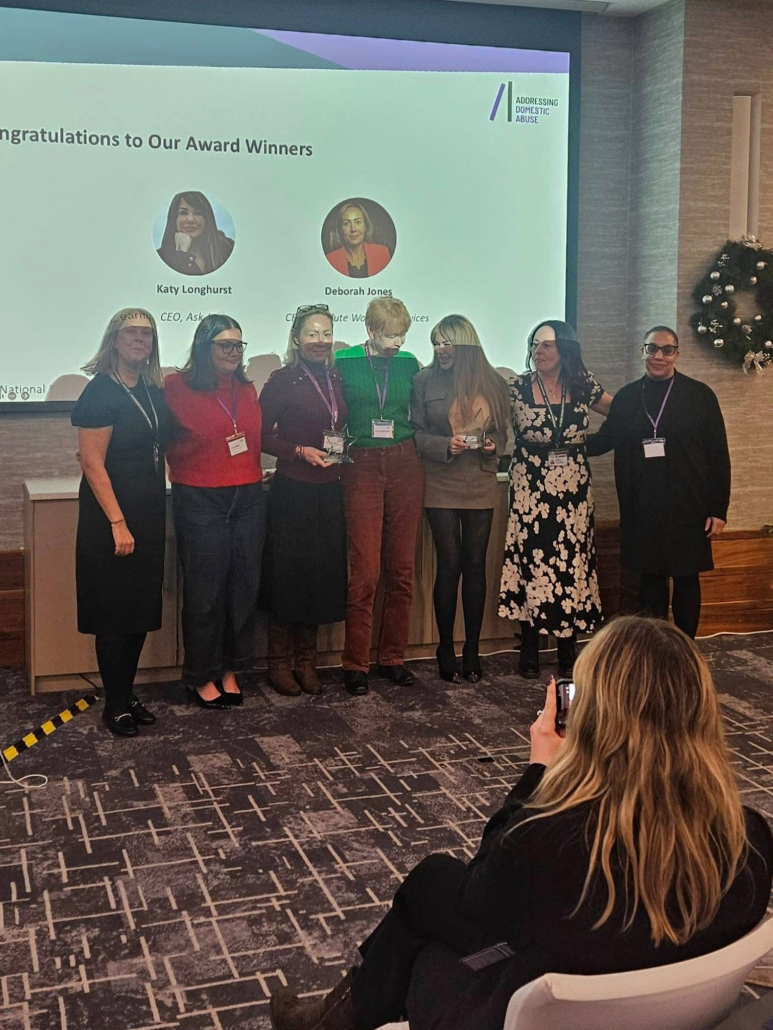
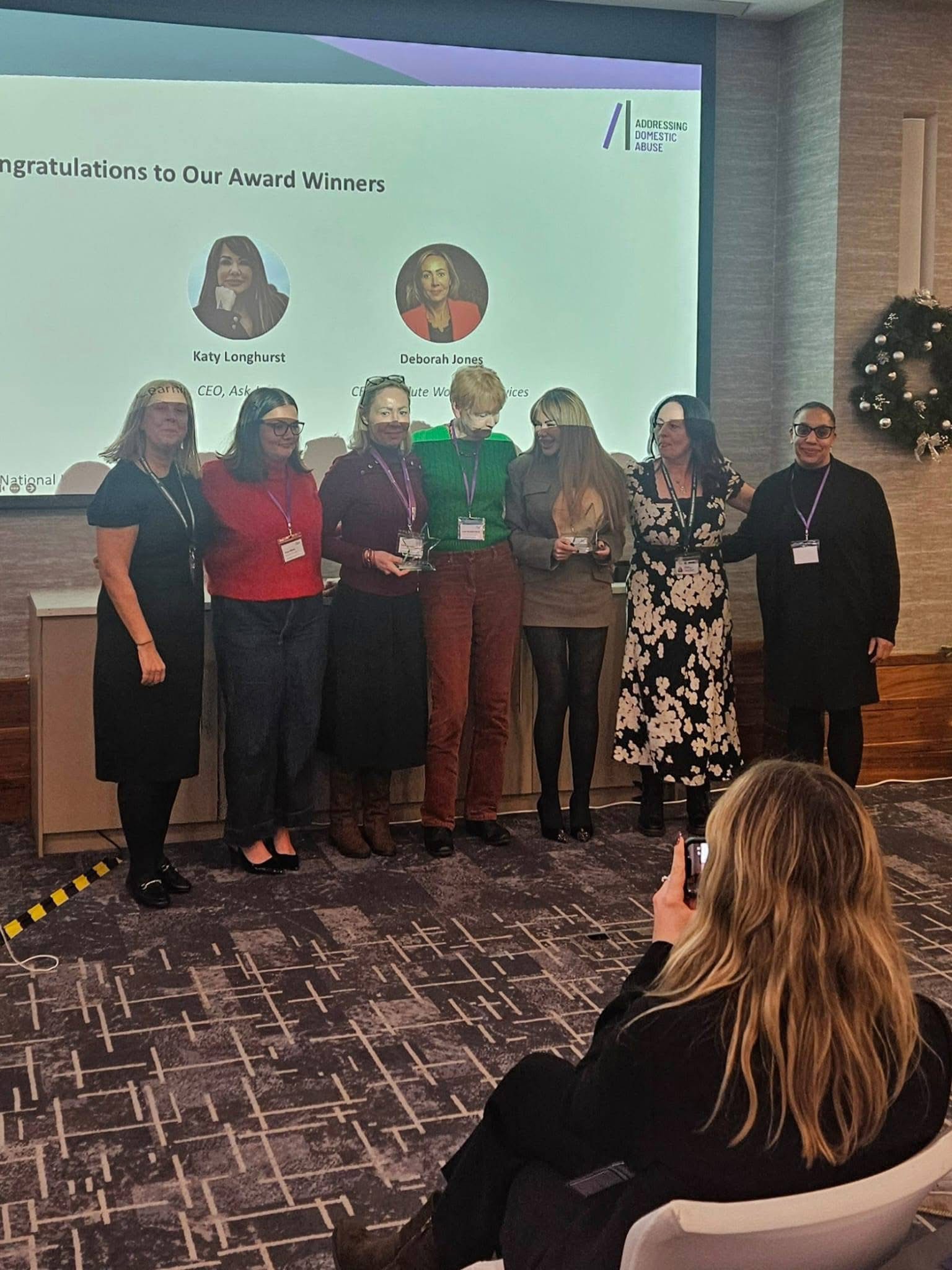
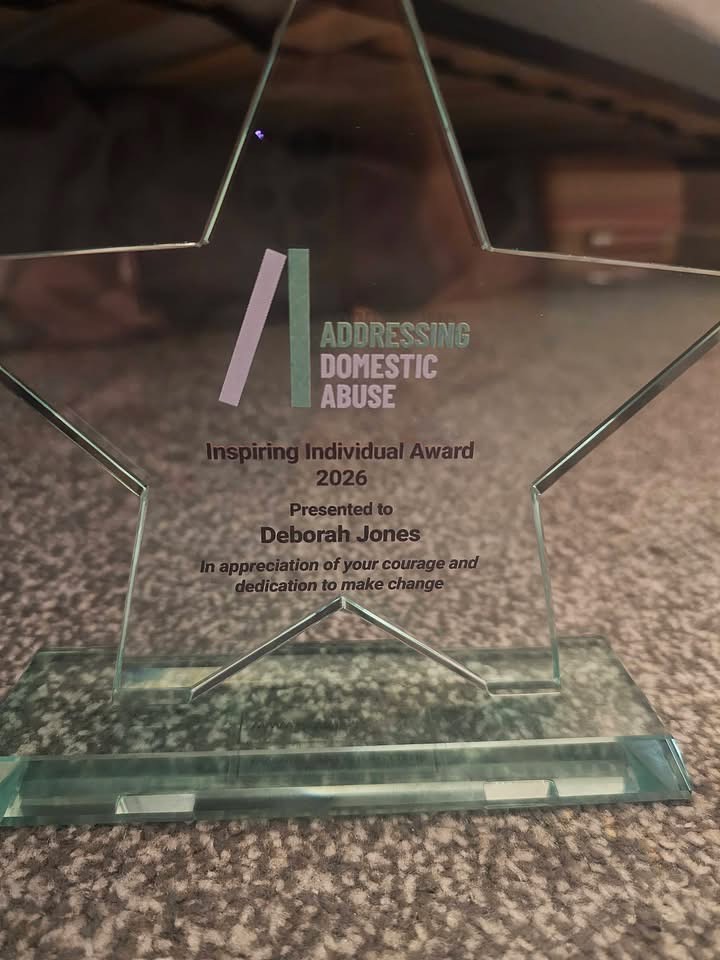
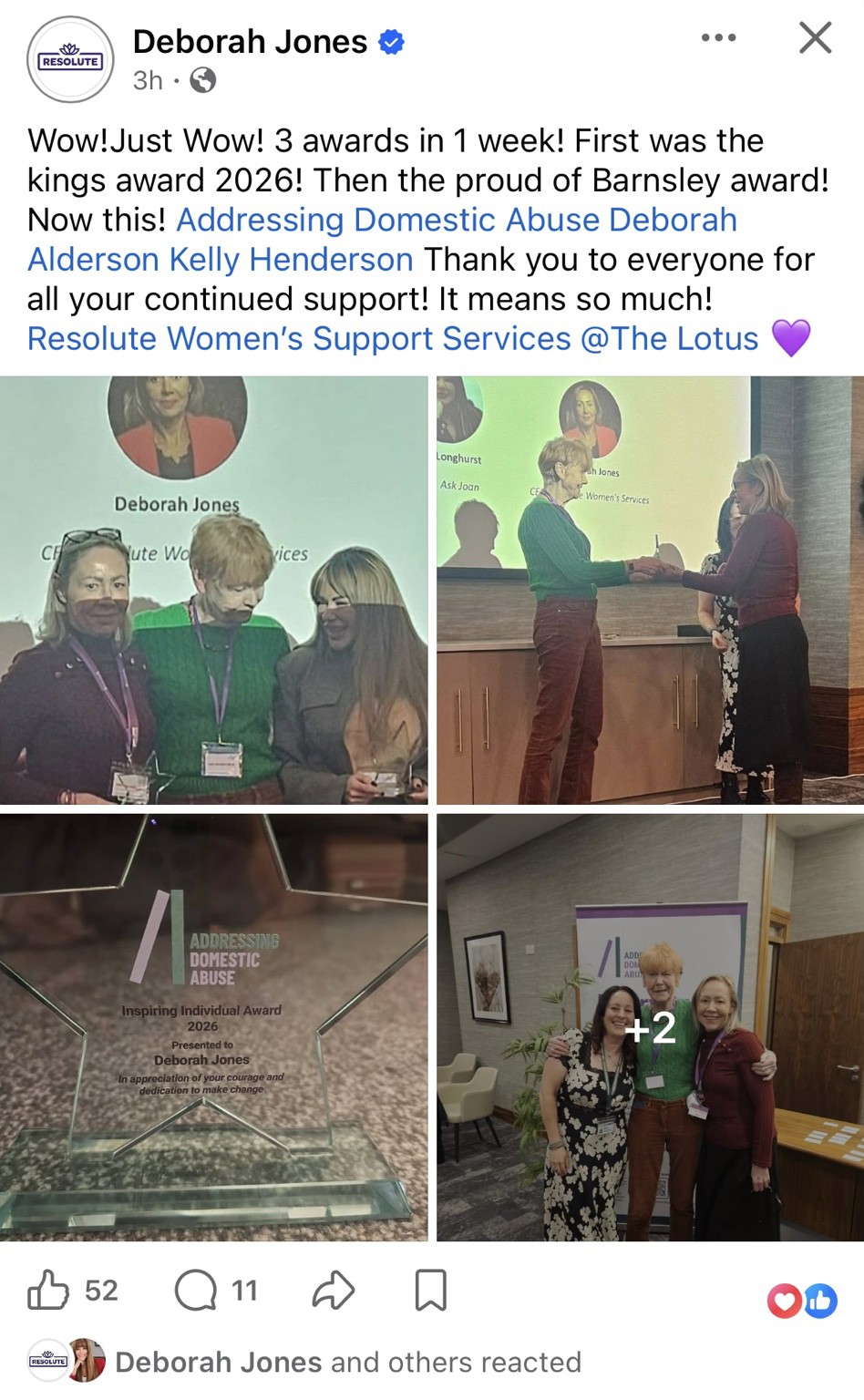
At the Addressing Domestic Abuse event, Deborah received the Inspiring Individual Award 2026. The photographed glass star bears her name and recognises her courage and dedication to making change. This third honour belongs to Deborah personally, rather than being another organisational award.
Deborah founded Resolute in 2021 with the aim of improving support available to women experiencing domestic abuse. The charity’s own account of its development emphasises lived experience, recovery and practical support. Leadership in this field is not simply about campaigning publicly. It is about building safe and sustainable systems that people can turn to when they are vulnerable.

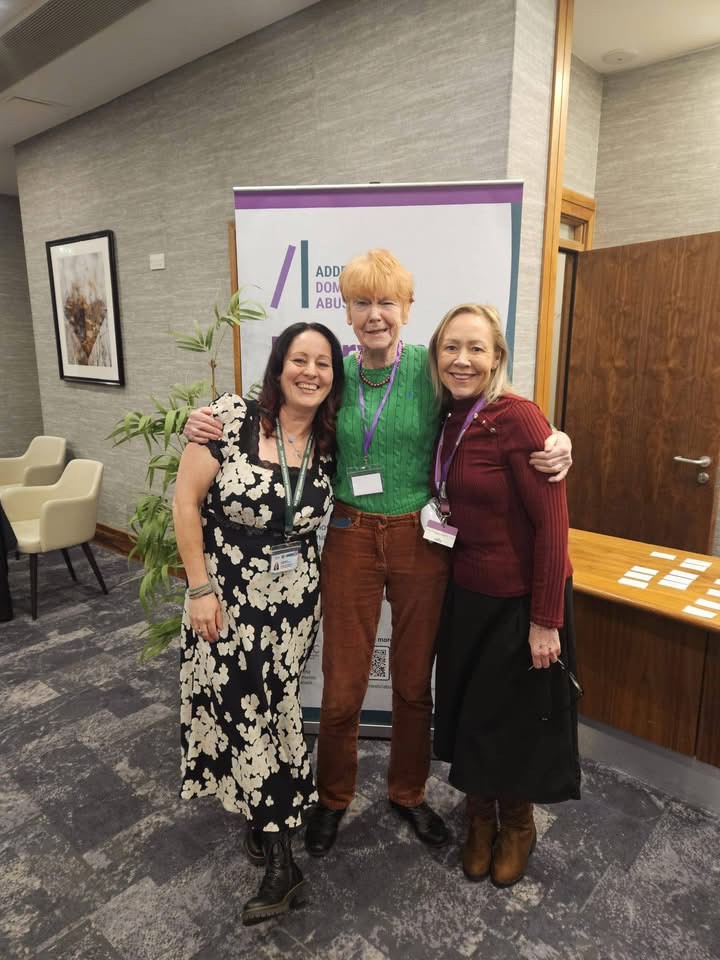
In her announcement Deborah wrote of three awards in one week and thanked everyone who continued to support Resolute. The pride is entirely understandable. Behind these photographs are volunteers, trustees, staff, specialist practitioners and the women whose experiences have shaped the charity’s purpose.
Why the awards matter
These honours recognise work that rarely lends itself to a neat success story. Supporting a survivor can involve patient listening, practical assistance, advocacy, specialist referral, trauma-informed care and help rebuilding a life. Resolute’s website sets out its survivor-led approach and support services. Its ongoing contribution matters especially because abuse does not necessarily end when a relationship ends.
The need is substantial. The Office for National Statistics estimated that 9.6% of people aged 16 or over in England and Wales, around 4.7 million people, experienced domestic abuse in the year ending March 2026. These are survey estimates; the ONS cautions against drawing a settled trend from a single year’s change. Source: ONS, Crime in England and Wales, year ending June 2026.
Abuse may include controlling or coercive behaviour, economic abuse, psychological or emotional abuse, physical abuse and sexual abuse. The Home Office’s Domestic Abuse Act 2021 statutory guidance explains why professionals need to recognise more than visible injuries or isolated incidents.
At JSH Law, we regularly address the real-world challenges of safeguarding, post-separation abuse and family-court participation. A person who has struggled to be heard should not have to educate each new professional from the beginning. Recognition for a survivor-led charity should be a prompt to improve responses across the wider system.
Domestic abuse training should be a must for every organisation
A survivor’s first disclosure may not be to a police officer or a domestic abuse specialist. It may be to a receptionist, colleague, teaching assistant, manager, GP practice employee, housing officer, volunteer or member of a professional support team. That first response can determine whether someone feels able to seek further help.
Every organisation should be able to recognise a disclosure, respond safely and refer appropriately. Good intentions are not enough when someone may be at risk. Staff need to know how to listen without blame; how to ask about safe communication; how to recognise coercive control and economic abuse; how to respect autonomy; when safeguarding duties require escalation; and where specialist advice and support are available.
Would your team know what to do?
A colleague says she is frightened to go home. A parent tells school staff that their messages are being monitored. A client becomes distressed when asked to bring an abusive former partner into mediation. Can the person hearing that disclosure avoid unsafe assumptions, protect confidentiality appropriately and make a competent referral?
The CIPD guidance for employers and the Government’s workplace support review support structured training, policies and referral pathways. Training is important in workplaces and voluntary organisations as well as in institutions with formal safeguarding responsibilities.
That does not mean a domestic abuse course substitutes for legal compliance, specialist professional competence or statutory safeguarding training. It means organisations should not leave first-contact staff to improvise under pressure. That is precisely why Resolute’s approach warrants attention.
RISA™: from recognising abuse to responding safely
Resolute is preparing its RISA™ (Resolute Independent Survivor Advocate) training programme for launch in January 2027. Its stated aim is to train a trusted person in an organisation who can respond safely to a disclosure, offer reassurance and practical continuity, and connect the individual to specialist services.
The published RISA programme describes 12 modules delivered over two half-days, learner assessment, certification and annual renewal. Subjects include coercive control, trauma-informed responses, safeguarding, barriers to seeking help and onward referral. Resolute describes RISA as accredited; prospective organisations should ask about the accrediting arrangements, course suitability and any profession-specific requirements.
Crucially, a RISA is not an IDVA, counsellor, substitute safeguarding lead or alternative to the police in an emergency. Resolute expressly positions trained RISAs as people who work alongside specialist services. That clear division of responsibility is important: access to an informed, trusted first responder should support professional expertise, not replace it.
Register your organisation’s interest
Whether you are a school, legal organisation, employer, public authority, health provider, charity, university or housing service, Resolute’s website explains the programme and provides a registration-of-interest route for the January 2027 launch.
Explore RISA™ and register interest
For other courses, visit Resolute’s training page, or email teamresolute@resolutesupport.uk.
Five steps organisations can take now
- Map where disclosures happen. Include front-desk, HR, pastoral, client-care and customer-facing teams.
- Train people to recognise patterns. Cover controlling and coercive behaviour, economic abuse, threats, stalking and post-separation abuse, not only physical violence.
- Make safe communication routine. Ask whether it is safe to phone, email or write; never assume a survivor controls their device.
- Identify clear referral and escalation routes. Include specialist domestic abuse services, safeguarding leads and emergency services as appropriate.
- Keep the response under review. Refresh training, check record-keeping and confidentiality arrangements, and do not confuse a certificate with a functioning safeguarding system.
The strongest organisations do not expect a victim-survivor to carry the burden of explaining abuse to every person they encounter. They build a shared competence that makes the first response more reliable.
A heartfelt congratulations from JSH Law
To Deborah Jones: congratulations on the Inspiring Individual Award. To everyone at Resolute Women’s Support Services: congratulations on the King’s Award for Voluntary Service and the Mayor of Barnsley’s Award. These honours recognise a determination to change the experience of women affected by domestic abuse, and the community that has gathered around that mission.
Most importantly, thank you to every volunteer and professional who turns up, listens and helps. The trophies are a joyful moment. The real legacy will be stronger services, better-informed organisations and safer responses to survivors.
Celebrate Resolute. Support its work. And ask what your organisation can do to make a safer first response possible.
Read more in the JSH Law Resolute resource guide and register your interest in Resolute’s RISA™ training.
Sources, safety and editorial notes
- The King’s Award for Voluntary Service — official 2026 recipients.
- Deborah Jones’s public award announcement and photographs supplied for this feature, November 2026.
- Resolute’s published RISA™ training description and registration.
- Office for National Statistics, Crime in England and Wales, year ending June 2026.
- Home Office domestic abuse statutory guidance and CIPD workplace guidance.
Photographs supplied for this feature from Deborah’s public celebration. If you are in immediate danger, call 999. Women in England can contact the National Domestic Abuse Helpline on 0808 2000 247 (24 hours). Use a safe device where communications may be monitored. This article is JSH Law commentary, not individual legal advice. JSH Law Ltd provides non-reserved litigation and family-court support and is not an SRA-authorised solicitors’ firm. Award recognition should not be mistaken for independent certification of training or regulatory compliance. Information checked 20 November 2026.
 © 2026 JSH Law Ltd. All rights reserved.


Leave a Reply
Want to join the discussion?Feel free to contribute!